Residential Ramp Installation in Wilmington, NC
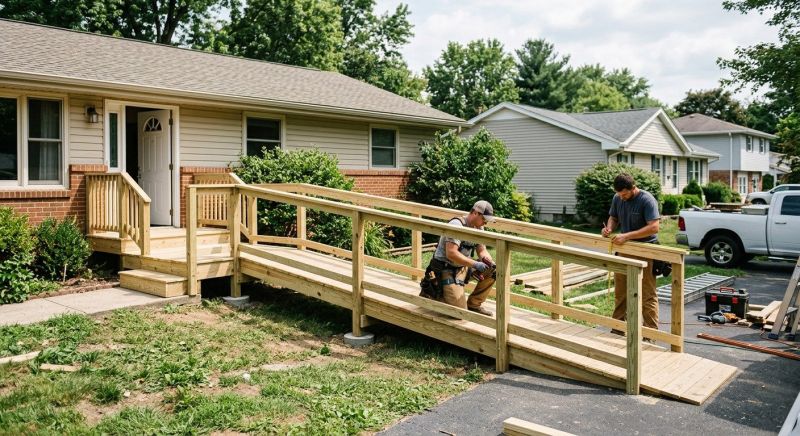
Residential ramp installation services provide customized solutions to improve accessibility around a home. These projects typically involve constructing ramps that connect entryways, porches, garages, or other areas where steps may pose a challenge. Property owners often seek these services to enhance safety, facilitate mobility for family members or visitors with limited mobility, or comply with accessibility needs. Before requesting installation, homeowners usually want to understand the types of ramps available, the materials used, and how the design will integrate with existing property features to ensure a seamless and functional addition.
When considering residential ramp installation, property owners should evaluate the specific requirements of the space, including the slope, dimensions, and placement of the ramp. It’s important to consider how the ramp will be used daily and whether it needs to accommodate mobility devices like wheelchairs or walkers. Additionally, understanding local building codes and any necessary permits can help ensure the project meets safety standards and regulations. Clear communication about these factors can support a smooth installation process tailored to the home's layout and the residents’ needs.
Many property owners in Wilmington, NC look into Residential Ramp Installation for repairs, replacements, upgrades, and appearance-related improvements.
Accessibility Solutions
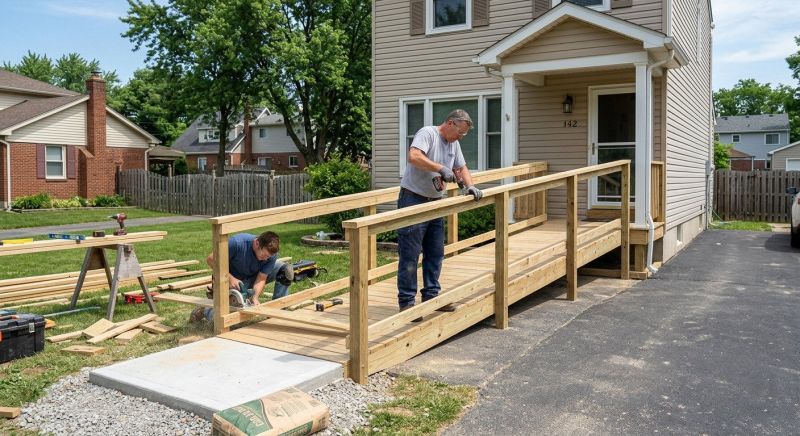
Residential ramps provide safe and easy access to homes for individuals with mobility challenges.
Custom Ramp Designs
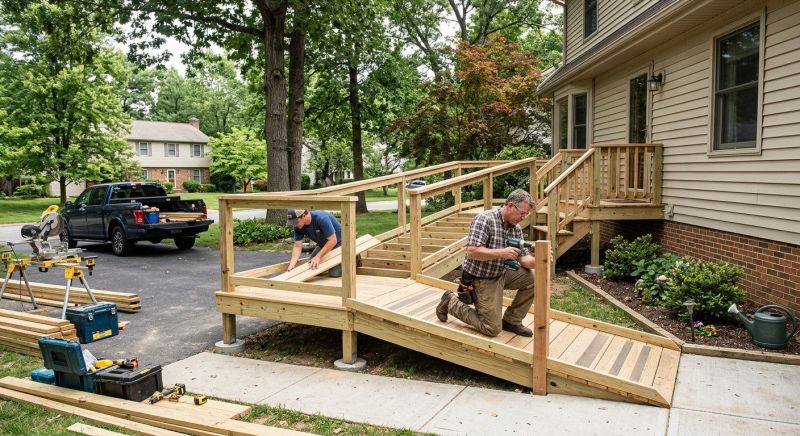
Ramps can be tailored to match the exterior style and specific needs of wilmington homes.
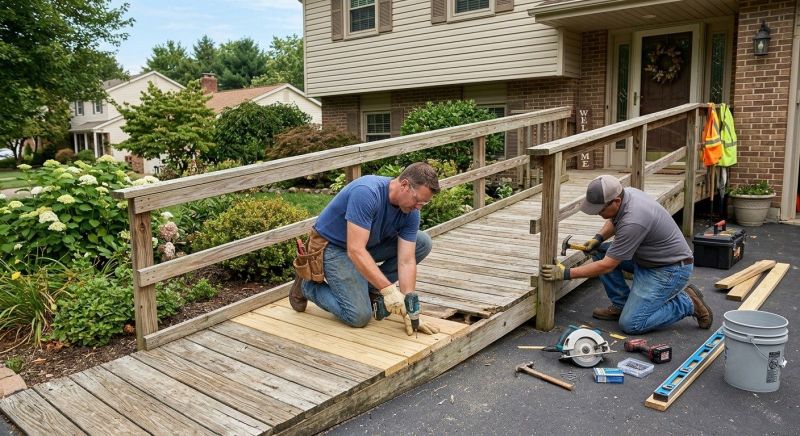
Durable Construction
High-quality materials ensure long-lasting performance and safety for outdoor residential ramps.
Residential Ramp Installation in Wilmington, NC

Residential ramp installation services provide customized solutions to improve accessibility around a home. These projects typically involve constructing ramps that connect entryways, porches, garages, or other areas where steps may pose a challenge. Property owners often seek these services to enhance safety, facilitate mobility for family members or visitors with limited mobility, or comply with accessibility needs. Before requesting installation, homeowners usually want to understand the types of ramps available, the materials used, and how the design will integrate with existing property features to ensure a seamless and functional addition.
When considering residential ramp installation, property owners should evaluate the specific requirements of the space, including the slope, dimensions, and placement of the ramp. It’s important to consider how the ramp will be used daily and whether it needs to accommodate mobility devices like wheelchairs or walkers. Additionally, understanding local building codes and any necessary permits can help ensure the project meets safety standards and regulations. Clear communication about these factors can support a smooth installation process tailored to the home's layout and the residents’ needs.
Many property owners in Wilmington, NC look into Residential Ramp Installation for repairs, replacements, upgrades, and appearance-related improvements.
Common Residential Ramp Installation Jobs
Residential Ramp Installation - provides accessible solutions for homes with mobility challenges.
Home Entry Ramps - improve safety and ease of access at front or back entrances.
Indoor Ramps - facilitate movement between rooms for wheelchair users or those with limited mobility.
Custom Ramp Designs - tailored to fit specific property layouts and aesthetic preferences.
Temporary or Permanent Ramps - options available to meet short-term or long-term accessibility needs.
Property Enhancement - increases safety and independence for residents with mobility concerns.
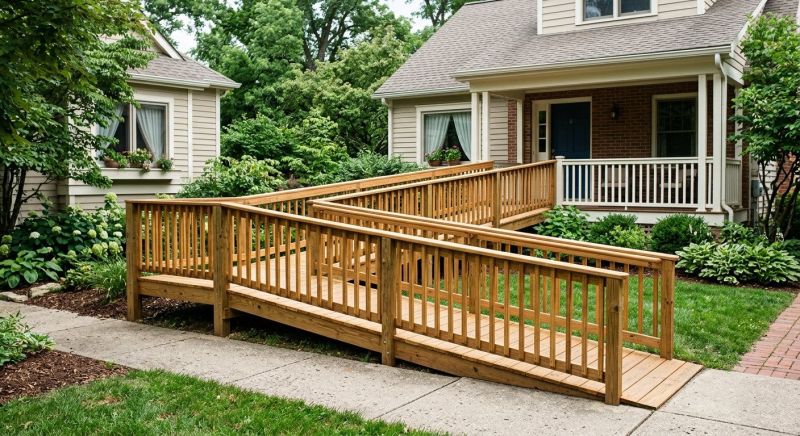
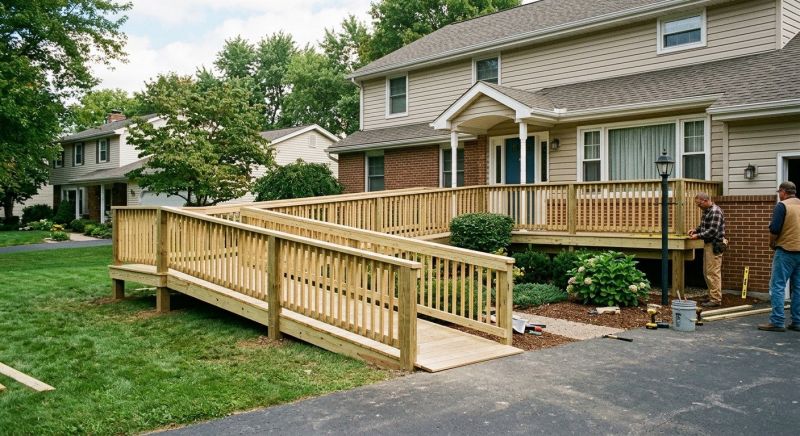
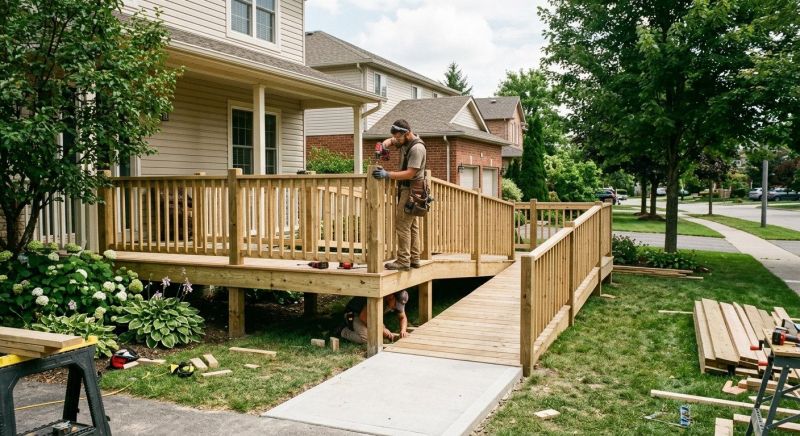
Residential Ramp Installation Questions
What types of ramps are available for residential projects? There are various options including portable, modular, and custom-built ramps to suit different property layouts and accessibility needs.
How does the installation process work? Installation involves assessing the site, designing the ramp to meet accessibility requirements, and securely installing it to ensure stability and safety.
What materials are used for residential ramps? Common materials include wood, aluminum, and composite materials, chosen for durability, weather resistance, and ease of maintenance.
Are ramps suitable for all types of properties? Ramps can be installed on most residential properties, including homes with stairs, uneven terrain, or limited entryway space.
Request Residential Ramp Installation in Wilmington, NC
Use the quote form on this page to share the basics of your project and request more information for the type of work you need.